In an ideal situation, the minimal amount of hair your cat ingests as part of their grooming process will exit from their body with feces. Since hair is not digestible for cats -- or any mammal -- once hair takes up residency in your cat’s body, it must be removed somehow. The biggest sign that your cat has a hairball to expel is an extended hacking or gagging noise, indicating that your cat is vomiting the hairball.
Despite the name, hairballs are not shaped like round balls. Rather, hairballs are cylindrically shaped masses of clumped-together fur. If you come across one in your home, you may think that it is your cat’s feces. However, if you dare to investigate further, you will be able to see that it has less of an odor than feces and that it also has the same coloring as your cat’s fur.
Having one hairball about every week, or every two weeks, is relatively normal for cats and is not problematic.
Other Symptoms to Watch For
If you hear the telltale hack of a cat trying to emit a hairball more frequently than every few weeks, it can be a cause for concern. Similarly, if your cat tries to release a hairball but is not successful, the hairball can become problematic. While it’s not common, a hairball that won’t exit from your cat may need to be removed surgically to prevent damage to your cat’s stomach and intestines. Watch for signs of your cat experiencing digestive problems, such as constipation, in conjunction with hairballs. Constipation can reveal that your cat’s hairball is lodged in its colon.
Other problematic symptoms to watch for include a disinterest in food, depression, lethargy, and the poor condition of your cat’s coat. If you spot these more serious symptoms, a visit to the vet is in order.
Your Cat Hairball Solution Guide
If your cat gets frequent hairballs, you probably do a lot more clean up than you’d like to. Your cat is also probably doing more hacking up than it’d like to do. Cat hairballs are a natural occurrence, and your cat will likely always have them occasionally, but you can help reduce their frequency and give both you and your cat a break.
Even better, cat hairball remedies can reduce the risk of hairball-related health issues like blocked intestines. Keep your cat happier and healthier with these effective products.
Cat Brushes
Get at the root of the hairball problem by getting extra hair out of your cat’s coat. Cats naturally ingest loose hair when they groom, so removing those loose hairs proactively through brushing will give your kitty less to swallow.
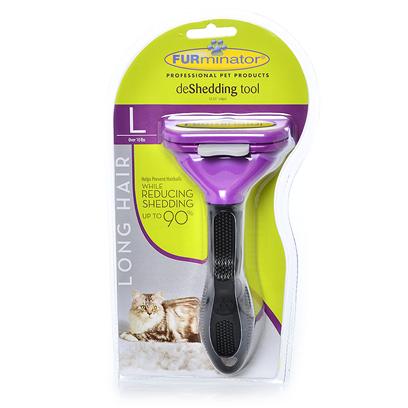
- Up to 2/3 of the hair a cat sheds is ingested--the Furminator reduces that amount drastically
- Reduces shedding by up to 90%
- Perfectly designed for long-haired cats
- The ejector button makes cleaning the tool easy
- Perfect for short-haired cats who shed a lot
- Reduces the amount of shed hair by 90%
- Easy to clean
- Perfect for cats with sensitive skin or delicate coats
- Reduces shedding and prevents hairballs
- Keeps coat healthy and shiny
- Massages your cat's skin for a great grooming experience
Hairball Remedy Pastes, Treats, and Vitamins
Some hairball remedies are laxative-based products that help your cat digest any hair in their system and pass it through their stool. Your cat will use the litter box like usual instead of retching up so many hairballs. Others are oil combinations and vitamins for cats that boost coat health, meaning less loose hair to start with.
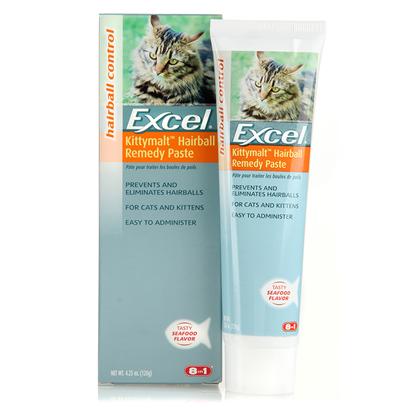
- Help hair pass through the digestive tract to reduce hairballs
- Easy to administer--just put on your cat's paw, and they lick it off
- Given daily, it helps prevent hairball build-ups
- This tuna-flavored laxative is eagerly eaten by cats and prevents hairballs. (You can also try Maple-Flavored Laxatone)
- Also, prevent nausea and constipation
- Contains a beneficial iron supplement
- Easy-to-give delicious treat
- No added salt or artificial colors
- Contains rice bran and mineral oil to prevent hairballs
- Contains plant-based fibers for hairball prevention
- Feed as a snack or a treat
- Delicious chicken flavor
- A blend of nutrients, herbs, vitamins, minerals, and natural oils that reduce shedding
- Gives your cat healthier, shinier fur
- Contains no petroleum-based ingredients
- Supports a healthy digestive tract and reduces hairballs
- Contains herbs that naturally lubricate
Cat Foods for Hairball Prevention
Perhaps the simplest way to reduce hairballs is to feed your cat food specifically designed for hairball prevention. The fibers and oils in these foods help your cat digest any ingested hair more effectively and also boost coat health.
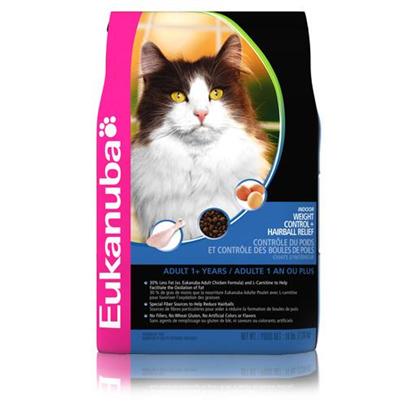
- Promotes healthy digestion with premium ingredients
- Contains vitamin E and fish oil to promote healthy hair
- Just feed your cat as usual, and they'll have fewer hairballs!
- Hairball management specifically for senior cats
- Delicious chicken flavor
- For cats 1 to 7 years old
- Supports a healthy immune system and reduces plaque while also reducing hairballs
- While not a cat food, this natural blend of herbs and greens will delight your kitty
- Grown easily at home
- Cats will happily chew the grass, a natural hairball remedy
Frequently Asked Questions
How can I help my cat pass a hairball?
Brushing your cat regularly can help remove loose hair and reduce the amount of hair your cat ingests when grooming. Adding a little bit of fiber to your cat's diet can help move hairballs through its digestive system. This can be done by adding a small amount of canned pumpkin or a commercial hairball remedy to your cat's food. Ensuring that your cat is drinking enough water can help prevent hairballs from forming in the first place. You can encourage your cat to drink more water by providing a clean and fresh water source at all times and consider offering wet food instead of just dry food. There are several over-the-counter hairball remedies that can help your cat pass a hairball. These remedies work by lubricating the digestive tract, making it easier for the hairball to pass. If your cat is having trouble passing a hairball or is showing other signs of illness, it is important to consult with your veterinarian. They may recommend additional treatment options or suggest further testing to rule out any underlying medical conditions.
How long does it take for a cat to pass a hairball?
Cats may show signs of gagging, retching, or vomiting when they are trying to expel a hairball. These symptoms can last for a few minutes up to 48 hours, and it may take several episodes before the hairball is completely expelled. In addition to eating grass to induce vomiting, some cats may also exhibit other symptoms such as constipation, lethargy, loss of appetite, or coughing. These symptoms can be a sign of a more serious underlying condition, and it is important to consult with a veterinarian if your cat is showing any of these signs or if you suspect they are having trouble passing a hairball.
Do hairballs make cats feel sick?
Hairballs can make cats feel uncomfortable and may cause them to vomit or retch. This is because hairballs can cause irritation and inflammation in the digestive tract as they pass through, which can lead to symptoms such as nausea, vomiting, and loss of appetite. Additionally, if a hairball is too large to pass through the digestive tract, it can cause an obstruction, which is a serious medical emergency. However, not all cats experience discomfort when passing hairballs. Some cats may pass hairballs without any noticeable symptoms, while others may only exhibit mild symptoms.
What happens if a cat can't throw up a hairball?
If a cat cannot throw up a hairball, it may become stuck in the digestive tract and cause a blockage. A hairball blockage can be a serious medical emergency that requires immediate veterinary attention. Symptoms of a hairball blockage can include vomiting, loss of appetite, lethargy, abdominal pain, constipation, or diarrhea. In severe cases, a hairball blockage can lead to dehydration, electrolyte imbalances, and even organ damage.
Can cats poop out hairballs?
It is possible for cats to pass hairballs through their feces, although this is less common than hairballs being vomited up. Hairballs are typically formed when cats groom themselves and ingest hair, which can then accumulate in the stomach and intestines. The hair can either be regurgitated or passed through the digestive system and eliminated in the feces. However, if the hairball is too large to pass through the digestive tract, it can cause a blockage and may need to be removed by a veterinarian. Additionally, if a hairball is causing discomforts or other symptoms, such as vomiting or constipation, it is important to seek veterinary attention to ensure that the cat receives proper treatment.
More on Cat Health
5 Facts About Asthma and Coughing in Cats and Dogs
Why Cats Meow: Cat Purrs, Growls, and Other Language
Why Cats Eat Grass and Other Self-Medicating Habits
This information is for informational purposes only and is not meant as a substitute for the professional advice of, or diagnosis or treatment by, your veterinarian with respect to your pet. It has, however, been verified by a licensed veterinarian for accuracy.


