It's common knowledge that dogs age differently than humans, but
the old comparison of seven dog years to every one human
year isn't as accurate as people
think.Business Insider explained that if we truly aged seven
times slower than canines, many humans would be able to have
children at age 7 and live to be more than 150 years old. But it's
clear that's not the case. During their first two years of life,
pooches age faster than humans,
which causes them to reach full sexual maturity at a much quicker
rate.Because their aging process slows down toward the end of their
lives, comparing your dog's age to your own becomes tricky, but
it's not entirely impossible. Smaller breeds tend to live longer
than larger ones, meaning that overall weight plays a larger factor
into canines' ages. For example, a pooch that weighs 20 pounds or
less at 1 year old is actually 15 in dog years. Medium
dogs - between 21 and 50 pounds - follow the same pattern, but
larger breeds that weigh between 51 and 90 pounds are around 14
years old at one human year.The origins of the seven-year myth
are unknown, but it's clear that dogs require extra care to extend
their lives to the fullest extent. And with dental problems being
at the root (pun intended) of 3/4 health concerns vets see, most
pet parents could stand to put a greater emphasis on the importance
of proper doggy dental care.
Promoting doggy dental care
From natural dog food to dietary supplements, there are numerous
ways to keep your furry friend strong and healthy late in his life.
However, the American Kennel Club suggested that many dog owners neglect dental care, which
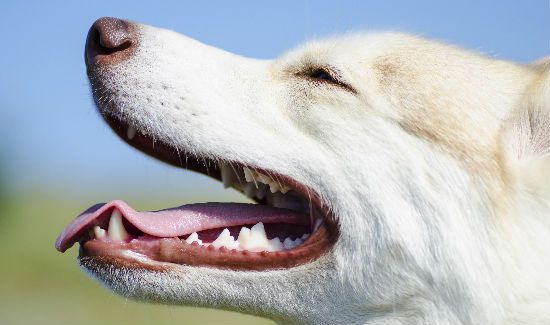
can help your dog stay in top form.Healthy gums are firm and pink,
black or spotted, the AKC explained. Young pups should have smooth
white teeth that will darken with age. Depending on the breed,
puppies will have 23 baby teeth, and adults wind up with around 42
permanent chompers. To check on dental health, it's best to put
your hand over the muzzle and lift up the sides of his or her
mouth.Look for soft white matter or hard yellow or brown matter on
the teeth, as this can indicate plaque or tartar buildup. If found,
owners should brush the gunk away to ensure that their dog's mouth
is healthy. Mouth infections can lead to serious health problems,
including heart failure, so it's important not to let your canine's
dental hygiene fall to the wayside.By signing up for PetPlus, owners can
purchase dental cleaning kits and treats specifically designed to
promote strong teeth at discounted prices. Each order also comes
with free shipping, allowing you to ensure your dog's health
without breaking the bank.
6 Simple Changes That Can Ensure Good Dental Health in
Dogs
Here are 6 simple changes to your routine that can ensure good
dental health in dogs:
1. Teeth Brushing
It might sound silly, but dog tooth brushing is an excellent way
to prevent plaque buildup and to prevent many oral health issues,
such as gingivitis, gum disease, periodontal disease, and
halitosis. A routine and daily toothbrushing with a
dog-specific toothbrush and dog-specific toothpaste become
necessary for their grooming necessities. Dog-specific toothpaste
has turkey, chicken, or peanut butter flavors. Human toothpaste is
toxic to your pets because the toothpaste will irritate their
digestive system and make your dog sick. The canine tooth brushing
routine looks like this. Brush the outside of the teeth, the back
of their mouth, on their gums, and within their mouth?s inside
cheeks. Small breed dogs are more prone to gum disease and teeth
loss, but they will make their grooming needs, including
teeth-cleaning, bearable to their human parents.
2. Tooth Wipes
For those that find the teeth brushing ritual to be impossible,
they might start using tooth wipes. Rub their teeth with the wipe
to eliminate hard gum bacteria. Tooth wipes for dogs resemble the
same cleaning technique that dog toothbrushes use, but they cannot
reach the areas that a toothbrush can access.
3. Dental Treats
There are prescription diet clinical food bites that can reduce
plaque, stain, and tartar buildup in a dog?s mouth. Nutritionists
and veterinarians have formulated nutritious products to support
your dog's dental health. Dental chews have teeth-cleaning
properties. The act of chewing and gnawing anything will
benefit your dog?s oral health by rubbing the gum?s plaque off your
dog?s teeth. All-natural meat treats will also remove bacteria
buildup and help promote dental health. Their ingredients
clean your dog?s mouths and freshen their breath. Dogs prefer
yummy oral health dog treats to other options.
4. Dental Food
Proper nutrition reduces tartar buildup and helps freshen
breath. A good example of a food that works to meet a dog?s
dietary needs and to reach balanced nutrition is Hill's
Prescription Diet dental care dry dog food. Senior dogs? oral
health might be overlooked but they might suffer from dental
problems like worn teeth and gum disease that make it hard to eat
their normal foods. So offer them a formula that is easier to chew
and digest. Also, a small breeds? specific kibble gives them better
mouth health, softer skin, a shinier coat, and ultimately a happier
and healthier dog.
5. Daily Exercise
A dog?s 30 minute daily walks, outside, and inside exercises
will aid in their dental health journey. Toys will also aid
in their oral needs such as chew toys, tennis balls, and tug of war
toys. Chew toys for a teething puppy or a strong-jawed adult
will strengthen their teeth, and the chewing or gnawing motion will
benefit your dog?s oral health by rubbing off the gum?s plaque from
your dog?s teeth, as said earlier. All-natural meat treats will
also remove bacteria buildup and help promote dental health.
An exercise routine will help you to create a routine to progress
better health for your dog.
6. Veterinary Requirements
Never forget that your dog needs to go to their veterinarian for
regular checkups, preventive care, and annual (one to three years)
teeth cleaning. In an expensive professional cleaning examination,
your veterinarian will clean under your dog?s gums and in other
inaccessible places that prevent oral and systemic diseases.
At the same checkup, your veterinarian may also want to take
Xrays of your dog's teeth to ensure there are not any other
underlying issues. This process is best for your dog?s oral health
because your veterinarian will address any additional issues with
preventative care, locating negative oral disease that the best dog
owners might not discover at home, and treating issues that might
go unnoticed. If you notice any change in your dog's mouth that
seems not normal from sores to a changed smell, contact your local
veterinarian as soon as possible. Be aware of any signs that your
dog is experiencing an oral disease or condition that needs to be
treated as soon as possible, such as mouth tumors, halitosis
(infected bad breath), salivary cysts (that can be easily drained
at the vet), periodontal disease (heavy gum plaque that comes from
poor brushing and flossing), gum disease, or gingivitis (inflamed
gums).
In conclusion, are you working hard to be aware of your dog?s
health, even their oral care? A healthy dog mouth will
possess a moist tongue, salmon pink gums without plaque that has
scaly or sticky discoloration, and forty-two clean and straight
teeth. Unfortunately, 80% of American dogs can develop some
kind of dental disease by age three. A healthy or unhealthy
mouth will demonstrate grave differences and needs proper care and
nutrition. Since the Chinese were experimenting on horses?
teeth in 600 B.C., every annual February 1 begins National Pet
Dental Health Month where you may celebrate by buying a new treat,
a new dog toothbrush, or visit your dog?s veterinary dentist.
During the National Pet Dental Health Month in 1988, the first
American veterinary dental college was founded and the Veterinary
Oral Health Council (VOHC) was established in Denver, Colorado in
1997. There is a VOHC Accepted Product List and now a VOHC
Registered Seal is now put on animal products to help the public to
be aware of effective products that are meant to remove plaque and
tartar on animal?s teeth. Be sure to maintain your dog?s
proper oral care, to prevent the above oral conditions, and other
negative bodily injuries. Remember to constantly protect and
preserve your dog?s dental and oral health.


