Image Source: Wikimedia.org
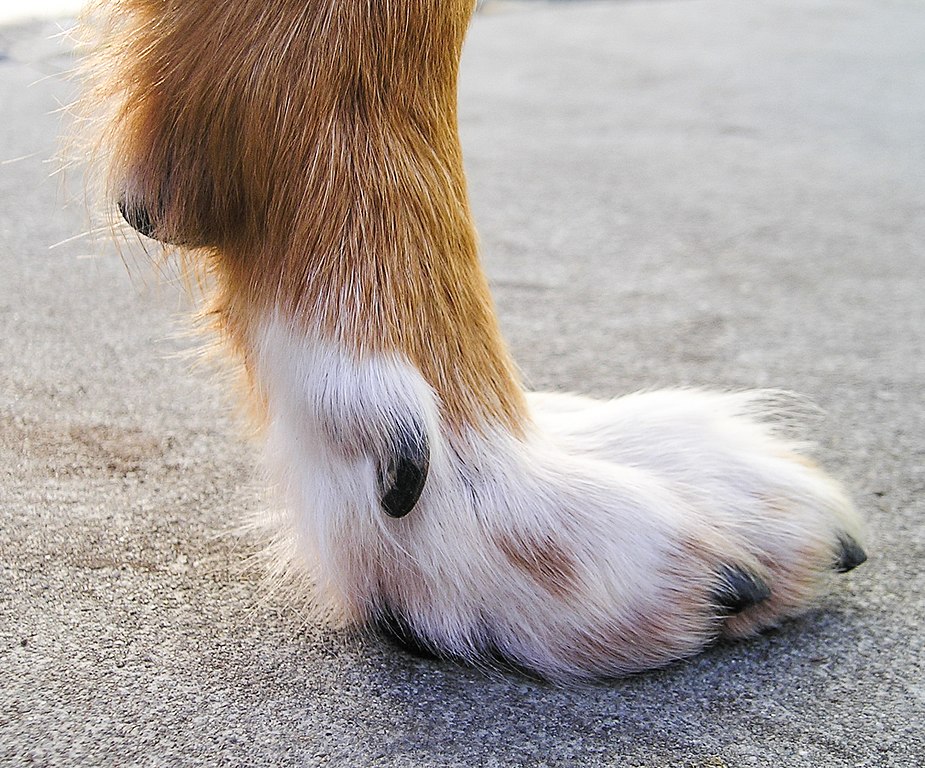
Popularly known as the thumbs of dogs, dewclaws are the vestigial digits that are found on the feet of most birds, mammals, and reptiles. Unlike the rest of the dog toes, the dewclaw is found up on the leg of your four-legged friend. The dewclaw may look like an extra digit, but it is actually useful to dogs. They use their dewclaws to provide more traction and stop the legs from twisting or getting injured when they are making sudden turns while sprinting. Dogs use their dewclaws to grasp onto objects so that they can gnaw them to their heart's content. They also use their dewclaws to reach difficult-to-reach spots when they need to get rid of an itch. Here are 5 things you shouldn't ignore when it comes to a dog's dewclaws.
Long Nail
For a majority of dogs, the dewclaw is located higher than the rest of the toes, which means that the nail doesn't get worn out as the rest of the toenails. This will allow the nail to grow unhindered if the length of the nail isn't checked; there is a possibility that the nail might get embedded in the paw pad. Always trim the nail of the dewclaw to stop it from happening.
Swollen Look
If the dewclaw looks bigger than usual, you should take a look at it. As dogs are active animals, there is always a chance of their dewclaw getting injured when they are running about. On top of that, the dewclaw may not be properly attached to the leg of the dog, which will make it weaker than normal. Take your dog to the vet if it looks swollen.
Looks Out of Place (Dislocated)
There are chances of the dewclaw getting dislocated as the nail can get stuck onto a surface due to its location. This will cause severe discomfort, and the dog may stop you from touching the dewclaw. If the dewclaw looks like it is out of place from the leg of the dog, it probably got dislocated.
Bloody Surrounding
If there is blood surrounding the dewclaw, you need to get it checked immediately. The dewclaw tends to be loosely attached to the leg which makes it easy for dogs to hurt it. If the dewclaw gets cut, it's possible for it to get infected, which can spread throughout the body if left unchecked.
Abnormal Color
Dogs love digging up sand and making holes in the ground. At times, your dog may get over-excited, and it can hurt the nail of its dewclaw. This can be due to the ground being harder than usual or if there is a stone that the dog digs up by mistake. The nail can get damaged due to the impact which will result in discoloration. Check with the vet to see what you should do to treat it.
The dewclaw is small and can go unnoticed by the owner as it is easy to overlook. Remember that even the smallest things matter, so always keep an eye on how the dewclaw looks so that your dog can live a life that is pain-free.
Understanding Dewclaw Removal
Dewclaw removal is a common practice among breeders and pet owners, particularly for puppies. This unnecessary procedure is often done to prevent future dewclaw injuries, but it's essential to understand that dewclaws serve a purpose. In some dog breeds, dewclaws help with stability and grip, especially when dogs climb trees or navigate rough terrain.
Rear Dewclaws and Double Dewclaws
Some dogs have rear dewclaws, which are located on the rear legs. In certain breeds, such as the Great Pyrenees, you might even find double dewclaws on the rear feet. These dewclaws can sometimes be prone to injuries if not properly cared for. Checking the rear dewclaws regularly is crucial to prevent any potential issues.
Dewclaw Injuries and Prevention
Dewclaw injuries can be quite common, especially in active dogs. The dewclaw can get caught on various surfaces, leading to dislocation or other injuries. To prevent such injuries, it's advisable to keep the dewclaw nails trimmed and monitor for any signs of damage or swelling. In some cases, dewclaws might need to be removed surgically if they cause recurrent problems, but this should always be a last resort and done under veterinary medicine guidelines.
Breed Standards and Dewclaws
Different dog breeds have different standards regarding dewclaws. For example, in the show ring, certain breeds, like the Great Pyrenees, are required to have dewclaws, while others might not. Understanding your dog's breed standards can help you make informed decisions about dewclaw care. Most dogs have dewclaws on their front paws, and some breeds have them on their back legs as well. It's essential to follow breed standards and consult with breeders and veterinarians to ensure proper care.
The Function of Dewclaws
Dewclaws are not just extra toes; they play a role in a dog's overall health and mobility. Dogs use their dewclaws to hold bones and other objects, providing them with a better grip. This function is similar to a human thumb. Additionally, dewclaws can help dogs maintain better contact with the ground, especially during high-speed maneuvers. Many dogs benefit from having their dewclaws, as it helps them prevent injuries by providing additional support.
Veterinary Care for Dewclaws
Regular veterinary care is essential to keep your dog's dewclaws healthy. If you notice any abnormalities, such as swelling, discoloration, or bleeding around the dewclaw area, it's crucial to seek veterinary advice promptly. In some cases, a local anesthetic might be required for treatment, especially if the dewclaw needs to be removed surgically. Always ensure that your dog's dewclaws are part of their routine health check-ups to prevent any serious issues.
Dewclaws might be small, but they play a significant role in your dog's life. Proper care and regular monitoring can prevent many potential problems related to dewclaws. Understanding the function and importance of dewclaws, as well as knowing when to seek veterinary help, can ensure that your dog remains healthy and pain-free. Whether it's the front dewclaws or the rear ones, each dewclaw needs attention and care to prevent injuries and ensure your dog's well-being.
Frequently Asked Questions
Should dog dewclaws be removed?
What is the purpose of a dog's dewclaw?
What happens if you cut a dog's dewclaw?
How late can you remove dewclaws?